The three-volume
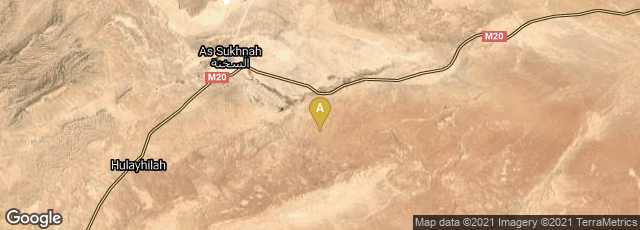
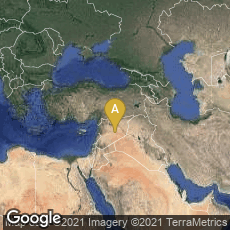
Galland Manuscript (BnF MSS arabes 3609, 3610 and 3611),
sometimes referred to as the
Syrian Manuscript, is the earliest extensive manuscript of the
Thousand and One Nights. The only earlier witness to the text is
a ninth-century fragment of a mere sixteen lines.
The text of the fragment extends to 282 nights, breaking off in the middle of the
Tale of Qamar al-Zamān and Budūr.
"The dating of the Galland manuscript has been the subject of significant debate, which has revolved, unusually, around what types of coins are mentioned in the text and what real-life coin-issues they refer to.
Muhsin Mahdi, the manuscript's modern editor, thought that it was fourteenth-century, while
Heinz Grotzfeld dated it to the second half of the fifteenth. It is agreed to belong to the fourteenth or fifteenth century and to originate in Syria" (Wikipedia article on Galland Manuscript, accessed 11-2021).